1
/
of
5
Plenixario
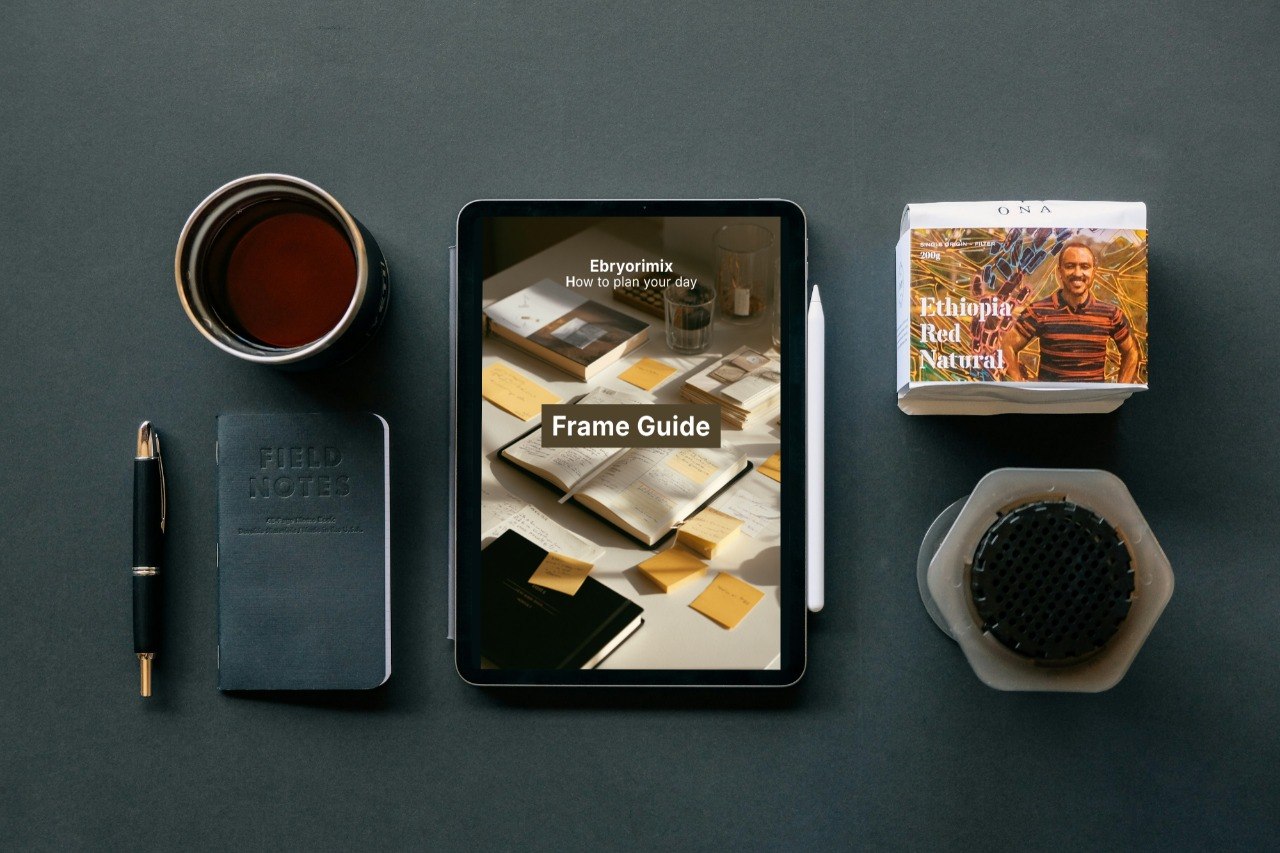
Frame Guide
Frame Guide
Regular price
€150,00 EUR
Regular price
Sale price
€150,00 EUR
Taxes included.
Quantity
Couldn't load pickup availability
Colection Progress
Self-paced learning overview
Progress is self-managed based on completed modules.
Self-paced learning overview
- 📘 Course materials available after purchase
- 🗓️ Long-term availability
- 🔒 Secure checkout
- 📝 Content updated in 2026
1. Problem Statement
Struggling to give your day a clear frame? You’re not alone — many people begin planning with a long list, but a list alone does not show how to move through the day. Because of this, meaningful tasks can get lost between small actions, and the schedule may feel like a set of separate fragments. Another common difficulty is the lack of borders: it is not clear where one part of the day ends and another begins. Frame Guide helps you create a clear structure for daily planning, so each task has its place and the day feels more gathered.
2. Solution
This guide will teach you how to shape your day with a clear planning frame. In this plan, you’ll explore how to build the day around key blocks: focus, routine, rest, study, and personal tasks. The materials help you not only write tasks down, but also understand why they belong in a certain order. You’ll learn how to create a simple daily structure that considers workload, transition time, and real-life circumstances. Frame Guide fits those who want to move from a scattered list to a more thoughtful plan.
3. What’s Inside
- Module 1: The Day Frame — how to create a base structure with morning, daytime, and evening blocks.
- Module 2: Tasks in Their Place — how to decide which block fits each task.
- Module 3: Borders Between Tasks — how to include transition time between different types of activity.
- Module 4: Schedule Anchor Points — how to choose a few stable parts of the day to build your plan around.
- Module 5: Working with Small Tasks — how to keep minor tasks from filling the whole day.
- Module 6: Personal Space in the Plan — how to leave room for rest, household tasks, and calm pauses.
- Module 7: Weekly Frame Review — how to look at several days together and notice repeated overload points.
- Worksheet: My Day Frame — a work page for creating your own structure.
- Reflection Cards — short questions for reviewing your plan at the end of the day or week.
✅ Fits you if...
- you have many tasks but do not always see their order;
- you want to learn how to build the day in blocks;
- you often feel that small tasks take up too much space;
- you want to separate work, study, household tasks, and rest more clearly;
- you are looking for a practical format with work pages and examples.
- you want a ready-made schedule without personal review;
- you need one-on-one guidance;
- you do not plan to work with written exercises;
- you are looking for materials about financial planning or business strategies.
- How to create a daily frame with several clear blocks.
- How to place tasks according to attention, time, and workload.
- How to separate meaningful tasks from small supporting actions.
- How to include pauses between different types of activities.
- How to avoid overloading one part of the day with too many tasks.
- How to review the week and notice recurring difficult spots.
- How to gradually improve your own planning approach.
For Frame Guide, there is a 30-day refund request window according to Plenixario store rules. If the materials do not match your expectations, you can contact us during this period, and the team will review the request according to the service terms.
What format are the materials in?
What format are the materials in?
The courses include lessons, modules, practical tasks, planning examples, work pages, and short prompts for self-study.
Are the courses suitable for beginners in time planning?
Are the courses suitable for beginners in time planning?
Yes, the materials are created for different levels. You can start with basic topics and gradually move into deeper planning approaches.
How are the plans different from each other?
How are the plans different from each other?
The plans are arranged in a growing order: from introductory materials to broader learning sets with more modules, tasks, and work materials.
Share